Still Zero: Why New Fossil Finds Don’t Solve Cambrian Explosion Mystery
Watch Episode
New fossil discoveries from China are being hailed as evidence that could reshape our understanding of the origin of complex animal life. Does the new find solve the mystery of the Cambrian explosion? Are the headlines about these fossils justified? Are these in fact the long-lost ancestors of the Cambrian animals we’ve been looking for? On this ID The Future, host Andrew McDiarmid welcomes Dr. Casey Luskin to the show to to examine the evidence, ambiguity, and ongoing controversy surrounding newly reported Ediacaran bilaterian fossils.
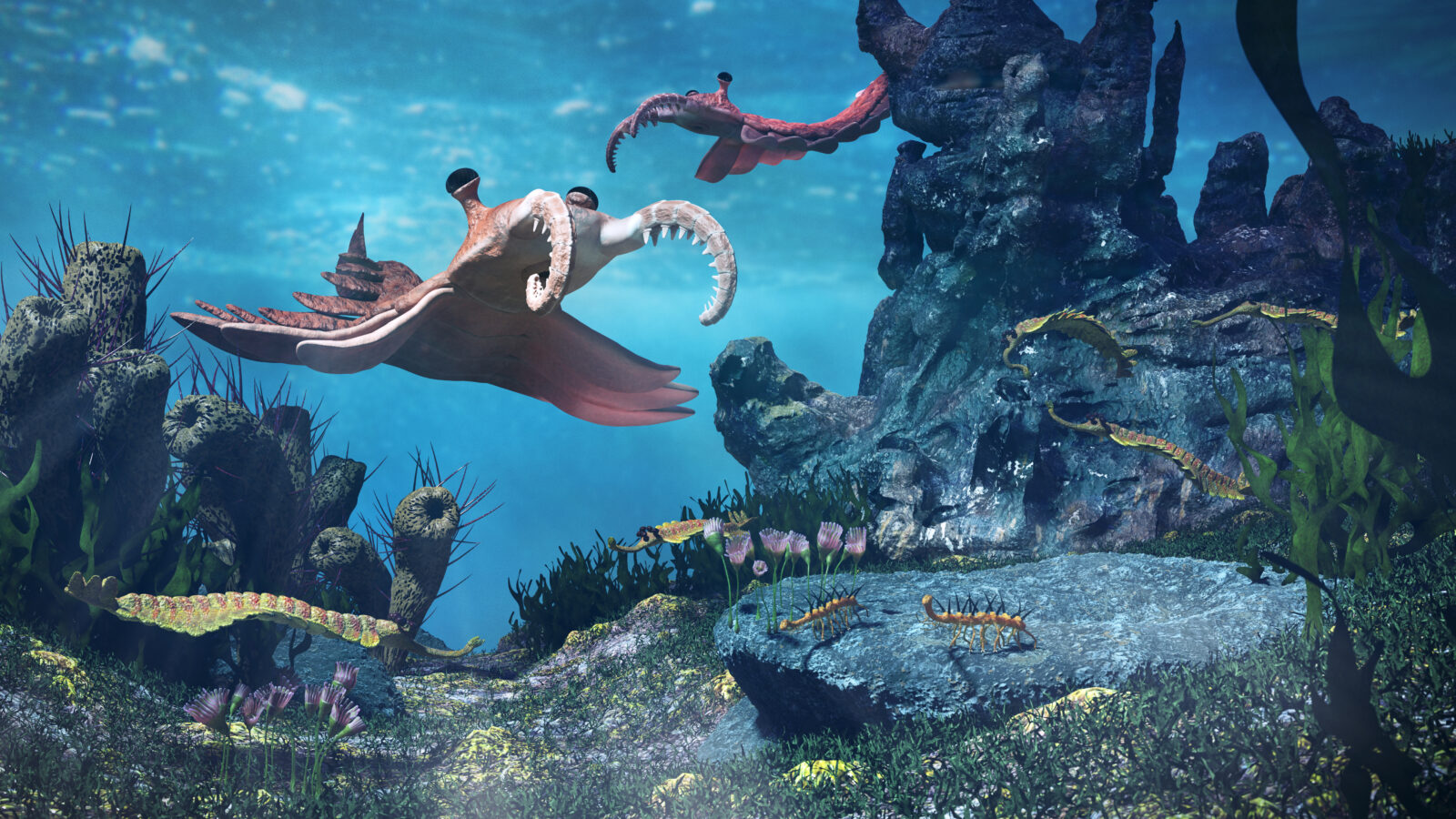
First, Luskin reminds us that the Cambrian explosion represents a geologically sudden appearance of diverse animal body plans and massive amounts of new biological information, a phenomenon that lacks clear evolutionary precursors in the earlier fossil record. Researchers have long been looking for viable pre-Cambrian fossil specimens in order to better explain the Cambrian explosion in evolutionary terms. Have they now been found? Luskin shares his expert opinion after analyzing the four specific organisms highlighted in the Science paper detailing the find. He points out that the specimens suffer from poor preservation and ambiguous symmetry, sometimes resembling marine algae or kelp rather than true bilaterian animals. He argues that these finds do not provide a definitive ancestral link to Cambrian phyla.
Luskin also highlights the rhetorical trend of what he calls retroactive confessions, where scientists only admit to significant gaps in the fossil record once they believe they have discovered a solution. He points out the danger of assuming that convergent similarity must necessarily suggest evolutionary relationship. And he draws on the work of the late paleontologist Dr. Günter Bechly to argue that even if these fossils were confirmed as bilaterians, they would not solve the waiting times problem that makes the Cambrian event so significant. According to standard population genetics, extending the Cambrian timeline by a few million years still fails to provide enough time to generate the complex genetic information required for new animal body plans.
Dig Deeper
- Take a look at the original paper detailing the recent fossil find and decide for yourself!
- Read Casey’s coverage of this science story on our news and commentary site ScienceandCulture.com.