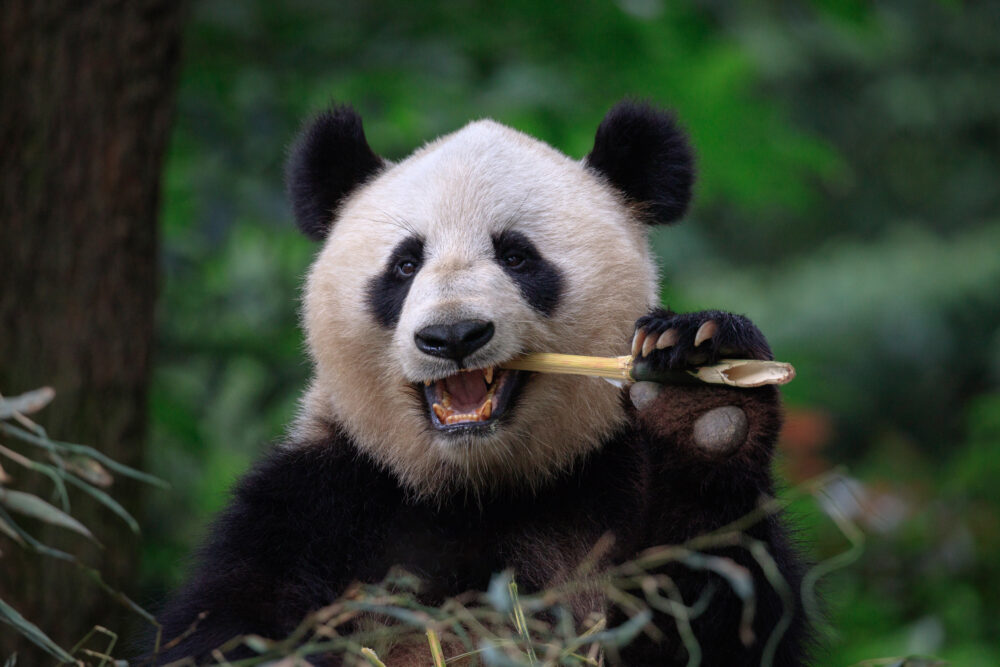
Does the panda's thumb refute intelligent design? Or is it one of the most extraordinary manipulation systems in the mammalian world, as one respected study has found? On this ID The Future, host Casey Luskin speaks with philosopher Dr. Stephen Dilley about his recent paper evaluating the strengths and weaknesses of the iconic panda's thumb argument for evolution. Read More ›
Can evolution and intelligent design work together in harmony? Or is that wishful thinking? On this ID The Future, host Casey Luskin concludes his conversation with philosopher Dr. Stephen Dilley about a recent proposal to marry mainstream evolutionary theory with a case for intelligent design. Dr. Dilley outlines the scientific problems with Kojonen's proposal and explains why it contradicts our natural intuition to detect design. This is Part 2 of a two-part conversation. Be sure to catch Part 1, and look for more interviews with others on this topic soon. Read More ›
Colorful chrysanthemum flower close-up. Macro shot. Summer and spring multi-color floral background.
Can evolution and design be wedded in a happy marriage? On this ID The Future, host Casey Luskin kicks off a series of interviews responding to theologian Dr. Rope Kojonen's proposal that front-loaded design and a full-blooded evolutionary process worked together in harmony to produce the diversity of life we find on earth. Here, Luskin interviews Dr. Stephen Dilley, lead author of a comprehensive critique of Kojonen's model co-authored with Luskin, Brian Miller, and Emily Reeves published in the journal Religions. This is Part 1 of a two-part conversation. Look for Part 2 next! Read More ›