Why the Human Body Outperforms the Best Human Engineering
Watch Episode
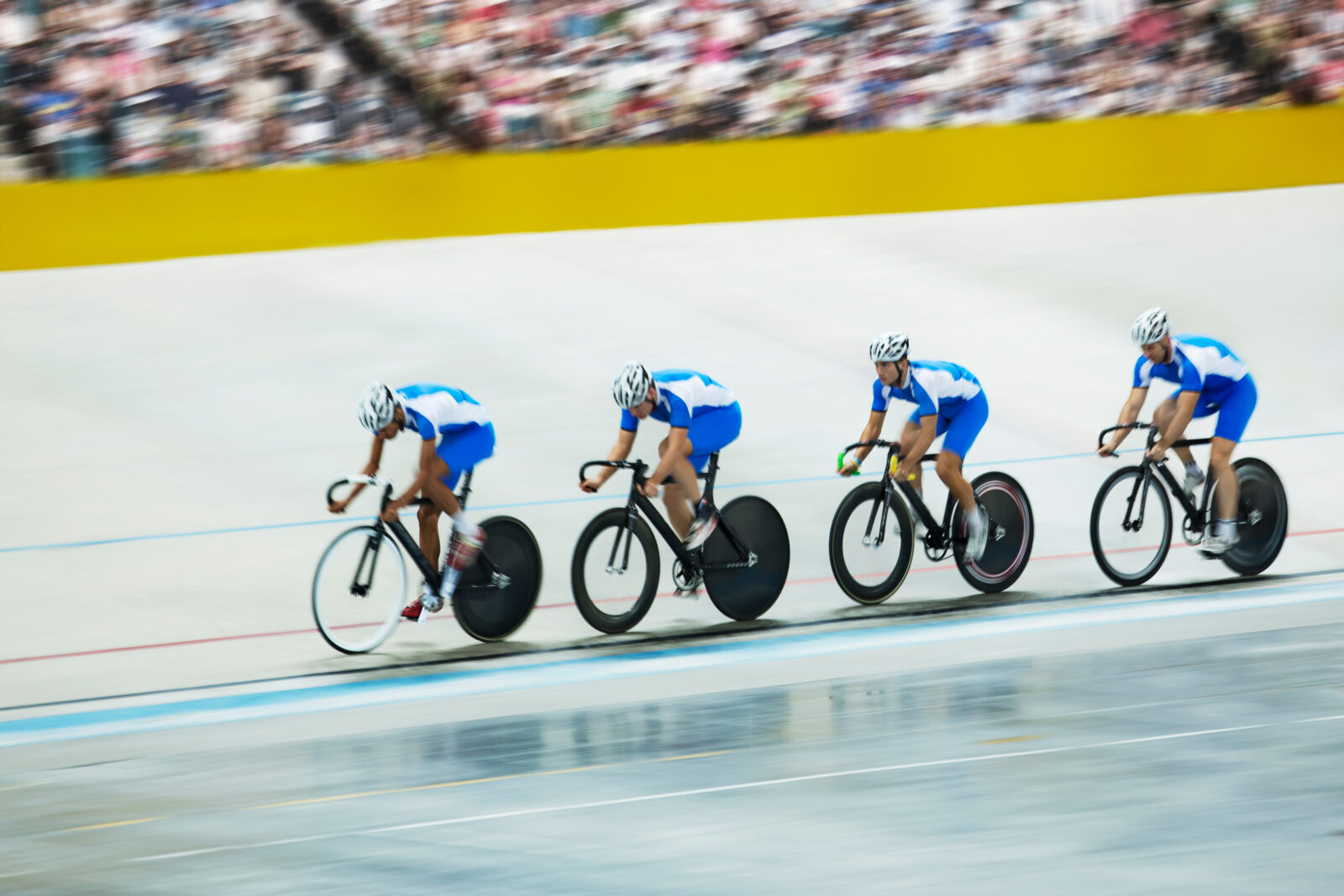
Designing an Olympic bicycle requires the very best materials and lubricants. And the smallest of engineering choices can make the difference between winning and losing the race. On this ID The Future, host Andrew McDiarmid speaks with award-winning British engineer and designer Stuart Burgess about his engineering work as lead transmission designer on the Olympic bikes used by Team Great Britain in the last three summer Olympic Games.
Burgess highlights the staggering performance gap between human-made technology and biological systems by comparing Olympic bicycle transmissions to human joints. He reveals that friction in a healthy human joint is 50 times lower than in his most advanced Olympic components. While engineers struggle to minimize energy loss through high-tech lubricants and geometry, the human body utilizes sophisticated mechanisms like weeping lubrication and self-assembling molecular layers that current engineering cannot get close to emulating.
Beyond sheer efficiency, Burgess explores what he calls the optimal engineering evident in the human body’s durability and agility. He notes that while Olympic bikes require re-lubrication after almost every race, a healthy human joint can endure millions of loading cycles without any detectable wear. This biological superiority extends to motion too. Burgess explains that the compactness and multi-functionality of the human wrist, for example, provides a level of agility that modern robotics fails to match. Burgess also makes the important point that these observations of optimal design challenge evolutionary predictions of bad or just-good-enough design and provide compelling evidence of intelligent design in living things.
Dig Deeper
- Learn more about the optimal engineering in the human body in Burgess’s new book Ultimate Engineering.