On this episode of ID the Future, host Andrew McDiarmid sits down with freelance science reporter David Coppedge to explore the fascinating and emerging field of interoception. Unlike our five external senses or proprioception (the awareness of our limbs in space), interoception involves the constant internal communication between our organs and the brain. While much of this signaling happens unconsciously, it's vital in maintaining homeostasis, that dynamic equilibrium that allows our bodies to function under varying conditions.
In this discussion, Coppedge delves into the intricate mechanics behind this internal dialogue, highlighting the role of Piezo proteins—receptors that translate physical pressure into electrical signals via calcium ions. As an example of interoception in action, Coppedge explains how the gut functions effectively as a "second brain," utilizing a massive network of neurons to decide between "attack mode" against pathogens and "repair mode" for healing. By viewing the body as a system of systems, says Coppedge, rather than a collection of isolated organs, researchers are able to uncover new details of the stunning layers of engineering in the human body. Read More ›
By now, you might think that the icons of evolution that Dr. Jonathan Wells wrote about 24 years ago have been put out of our misery. And indeed, much has changed, and these icons have even less ground to stand on than they did back then. But they don’t call them icons for nothing! Whatever else they are, they’re stubborn, and it’s not uncommon to see evidence of them still popping up in popular science articles, cartoons, movies, and even scientific journals. On this episode of ID The Future, host Andrew McDiarmid welcomes back freelance science reporter David Coppedge to give us a few recent examples of the icons of evolution that keep shambling along, including recent sightings of the peppered moth myth and the Miller-Urey experiments. Read More ›
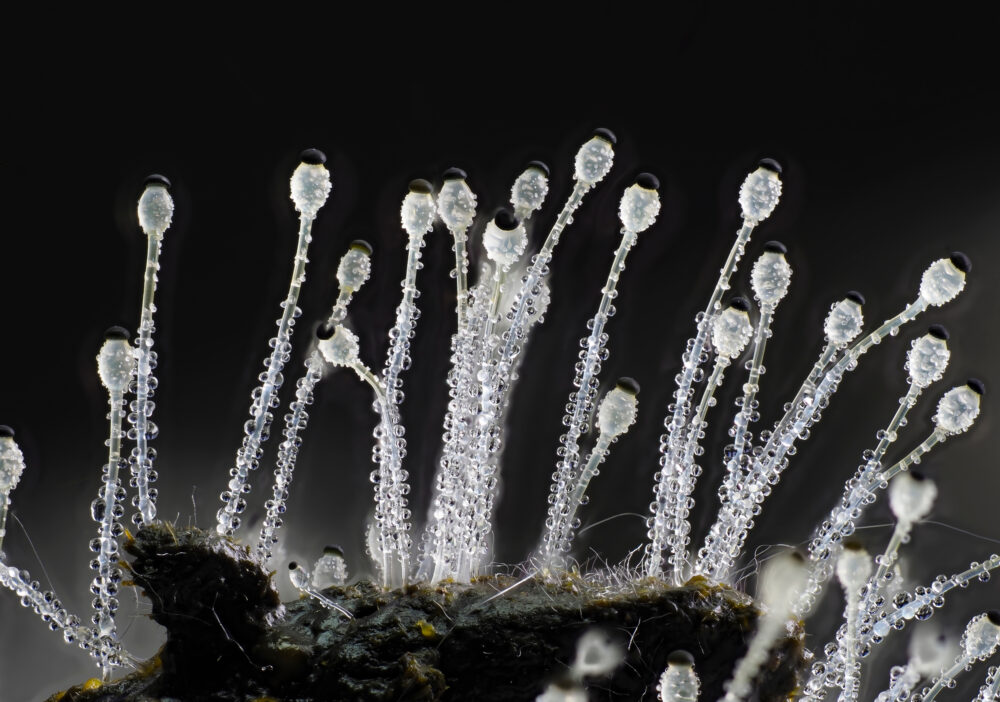
Host Andrew McDiarmid welcomes science reporter David Coppedge to the show to explore some fascinating examples of intelligent design in the plant world. They look so helpless tied to the soil, but plants and fungi have perfected technologies for spreading themselves far and wide. Coppedge and McDiarmid unpack the ingenious methods plants and fungi use to disperse their spores. The conversation also touches on the engineering principles behind plant root systems, and how studying these natural designs can inspire advancements in human technology through biomimetics. Read More ›
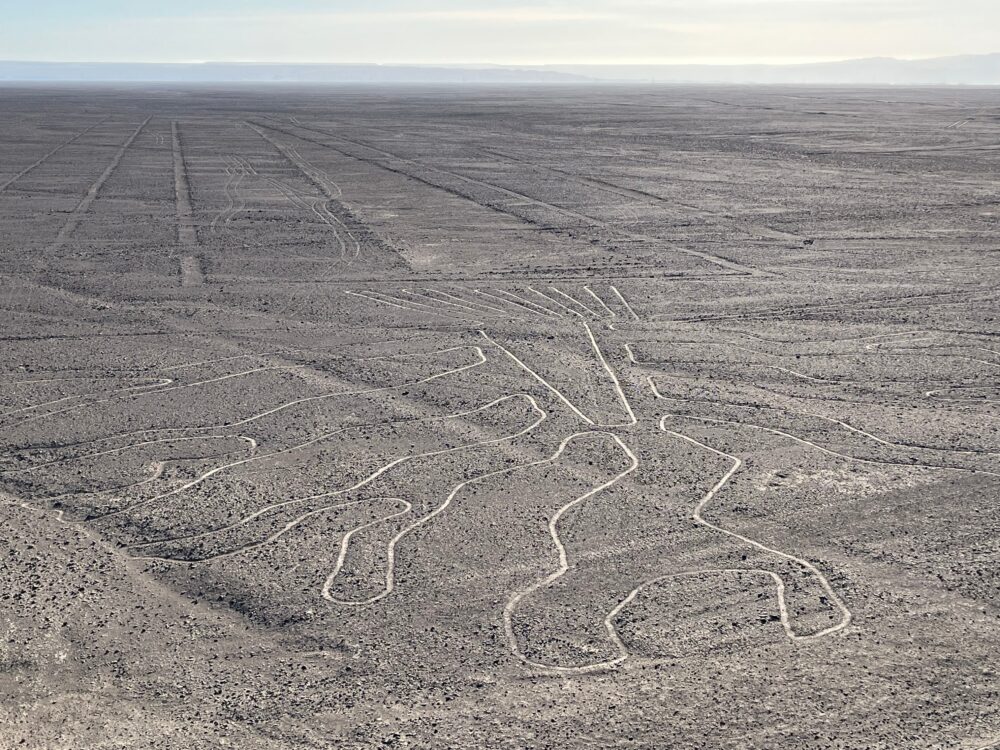
Can we train AI models to help us detect evidence of intelligent design? On this ID The Future, host Andrew McDiarmid welcomes science reporter and former NASA engineer David Coppedge to the podcast to talk about scientists who are doing just that: using artificial intelligence to make design inferences. Here, Coppedge tells us about a group of scientists who are training an AI model to search through imaging data to identify possible instances of human-made geoglyphs in the Nazca Plain in Peru. It's another intriguing example of intelligent design in action in the everyday world around us. Read More ›