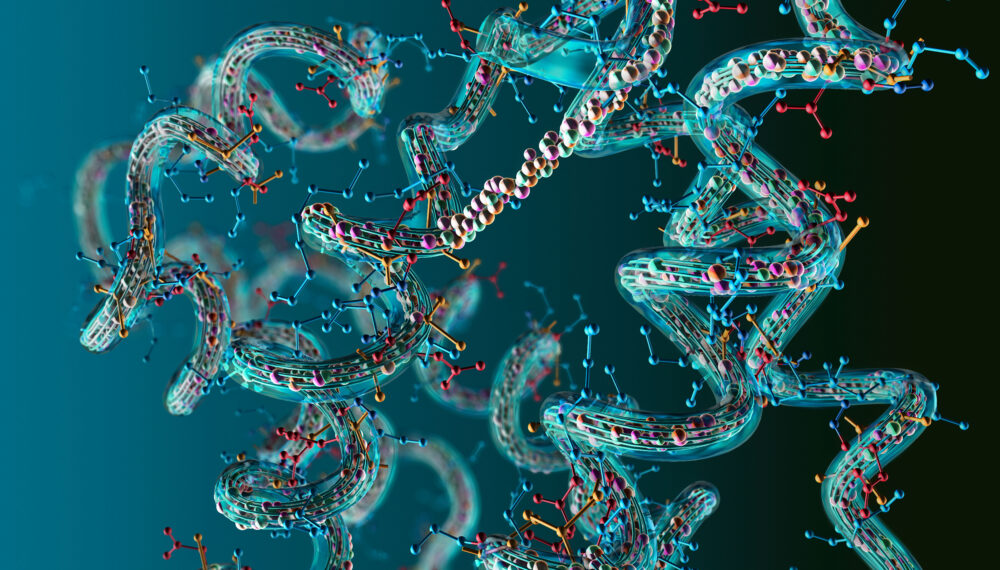
You might find this hard to believe, but back in Charles Darwin’s day, the cell was thought of as little more than a piece of jelly. Thomas Henry Huxley called it a “simple, homogenous globule of undifferentiated protoplasm.” But today, thanks to discoveries in molecular biology, we’ve discovered the cell is something far more astonishing. And that begs a crucial question: if the cell is infinitely more than Darwin envisioned, can a Darwinian process really explain its origin, and how it came to produce the diversity we see in life?
On today's ID The Future, host Andrew McDiarmid begins a two-part conversation with molecular biologist Dr. Douglas Axe and biochemist Dr. Michael Behe, two experts featured in the new movie The Story of Everything. Over two episodes they'll discuss their participation in the movie and unpack some of the insights they share in it. We're also sharing some exclusive clips from the movie! Read More ›
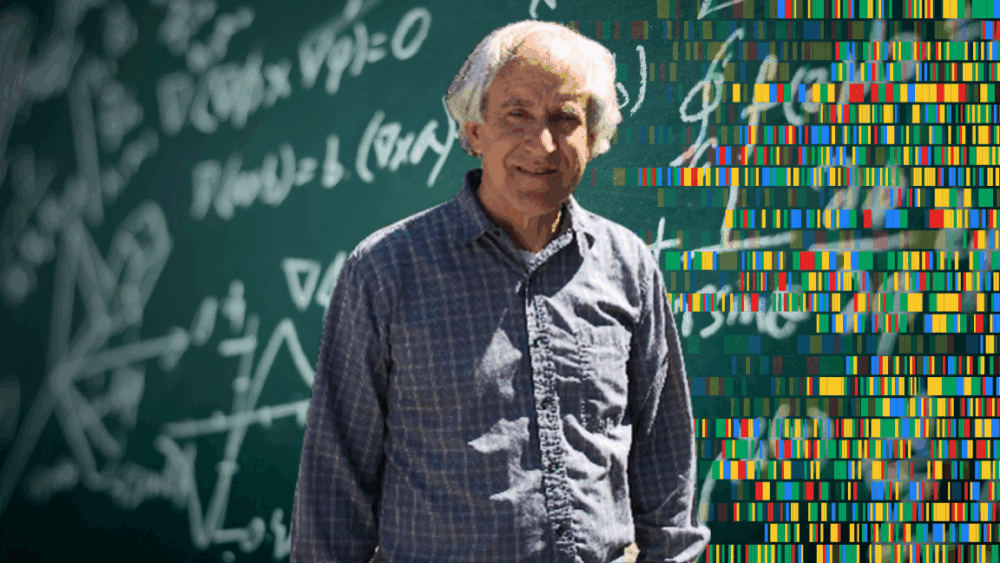
No amount of small, blind, and gradual changes to the steam engine could ever have produced the internal combustion engine. To get to that fundamentally new type of engine, an infusion of new information was required. That analogy can be applied to the origin of biological life too. The spectacular order, complexity, and design we see in life could not have been achieved gradually by a process that lacked foresight. On today's ID The Future, host Andrew McDiarmid welcomes mathematician Granville Sewell to the podcast to share some of his compelling arguments for intelligent design.
We might think that mathematicians are focused on incredibly complex ideas and equations, way above the everyday thoughts of the rest of us. But as Sewell points out, mathematicians are trained to value simplicity, and complex problems can often be solved in simple ways. Sewell's straightforward, yet profound arguments for intelligent design are worth memorizing and sharing with your friends, family, and associates. Read More ›
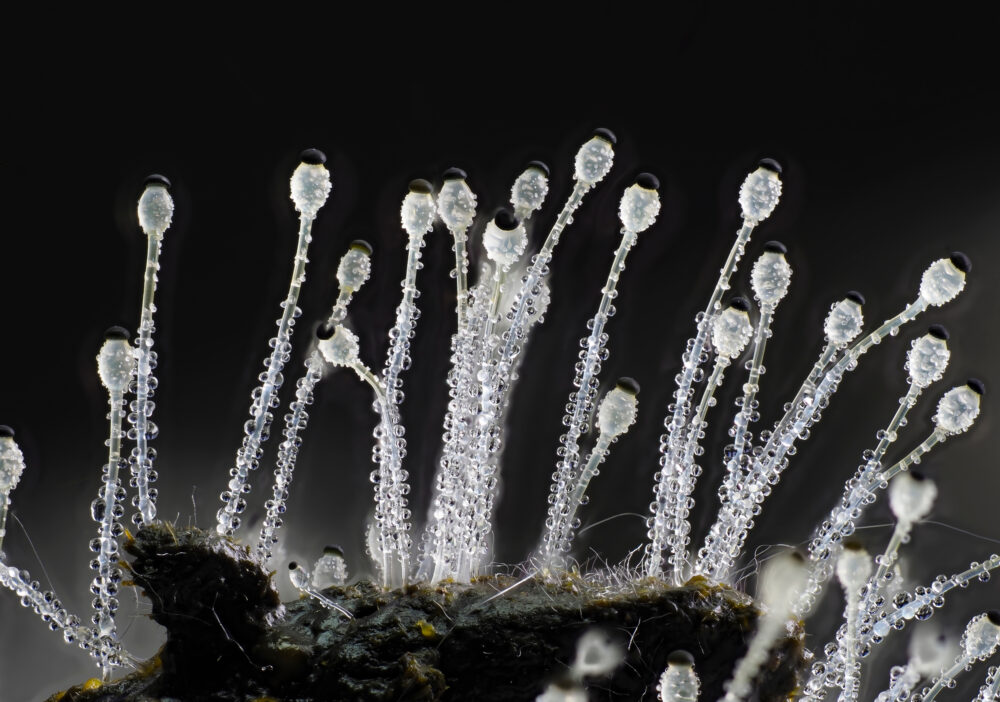
Host Andrew McDiarmid welcomes science reporter David Coppedge to the show to explore some fascinating examples of intelligent design in the plant world. They look so helpless tied to the soil, but plants and fungi have perfected technologies for spreading themselves far and wide. Coppedge and McDiarmid unpack the ingenious methods plants and fungi use to disperse their spores. The conversation also touches on the engineering principles behind plant root systems, and how studying these natural designs can inspire advancements in human technology through biomimetics. Read More ›