ID the Future Intelligent Design, Evolution, and Science Podcast
Topic

protein 3D shape

chain-of-amino-acid-or-bio-molecules-called-protein-3d-illus

Biologists: Cell is Factory Complex of Engineered Design

You might find this hard to believe, but back in Charles Darwin’s day, the cell was thought of as little more than a piece of jelly. Thomas Henry Huxley called it a “simple, homogenous globule of undifferentiated protoplasm.” But today, thanks to discoveries in molecular biology, we’ve discovered the cell is something far more astonishing. And that begs a crucial question: if the cell is infinitely more than Darwin envisioned, can a Darwinian process really explain its origin, and how it came to produce the diversity we see in life? On today's ID The Future, host Andrew McDiarmid begins a two-part conversation with molecular biologist Dr. Douglas Axe and biochemist Dr. Michael Behe, two experts featured in the new movie The Story of Everything. Over two episodes they'll discuss their participation in the movie and unpack some of the insights they share in it. We're also sharing some exclusive clips from the movie! Read More ›
protein
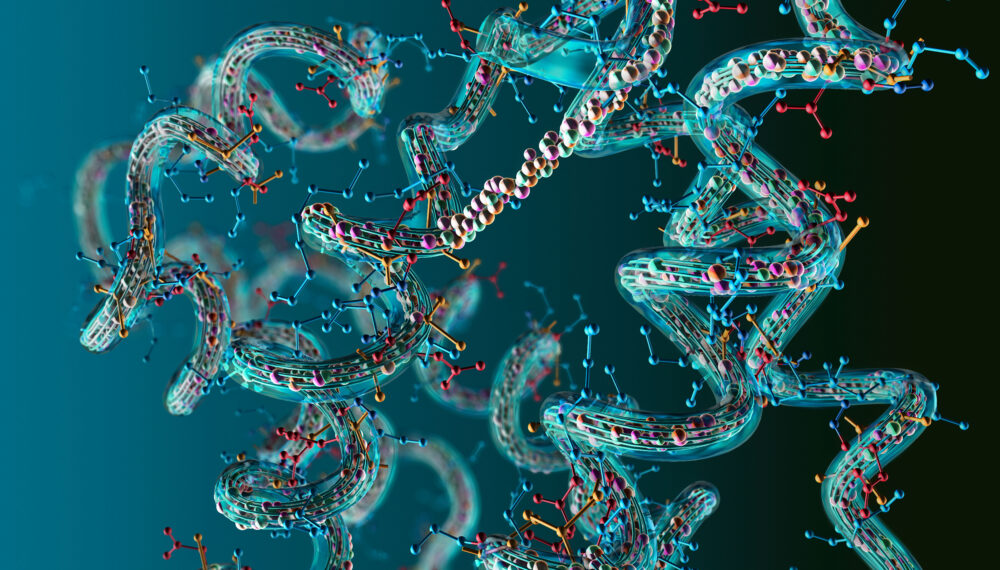
Chain of amino acid or bio molecules called protein - 3d illustration
Chain of amino acid or bio molecules called protein - 3d illustration Photo by Christoph Burgstedt on Adobe Stock
Image Credit: Christoph Burgstedt - Adobe Stock

Powerful Protein Folding Algorithm AlphaFold Foiled by Singletons

Today’s ID the Future spotlights AlphaFold, an artificial intelligence program in the news for its impressive breakthroughs at predicting a protein’s 3D structure from its amino acid sequence. Philosopher of Biology Paul Nelson walks listeners through the importance of this “amazing breakthrough,” as he describes it in a recent Evolution News article; but don’t uncork the champagne bottles just yet. The reason, according to Nelson, is that while proteins, protein sequences, and protein folding promise to reveal much that is still mysterious in molecular biology, we now know that biological information involves far more than just an organism’s proteome—that is, far more than the full suite of proteins expressed by an organism. Nelson uses analogies to manmade machines and cognates Read More ›