ID the Future Intelligent Design, Evolution, and Science Podcast
Topic

Christianity and Science

nebula-and-galaxies-in-space-abstract-cosmos-background-stoc-316550206-stockpack-adobestock
Nebula and galaxies in space. Abstract cosmos background
Image Credit: PaulPaladin - Adobe Stock

Using Historical Reasoning to Navigate Today’s Scientific Debates

The relationship between Christianity and science is much older and richer than you might think. What can we learn about today’s scientific debates by studying that history? On this ID The Future, host Andrew McDiarmid concludes a two-part conversation with software engineer and intelligent design researcher Winston Ewert about his new book The Heavens, The Waters, and the Partridge, an exploration of the interaction between Christianity and science before modern science. This half of the conversation dives into the rich history of how early Christian thinkers engaged with the scientific consensus of their time. By exploring historical case studies such as the supposed immutability of the heavens and the ancient belief that matter is eternally conserved, Ewert shows us how early Christian thinkers often pushed back against prevailing Greek philosophies to uphold biblical doctrines like creatio ex nihilo. The examples highlight that the dialogue between faith and science is a centuries-old tradition centered on understanding order, purpose, and the inherent limits of scientific inquiry. This is Part 2 of a two-part conversation. Read More ›
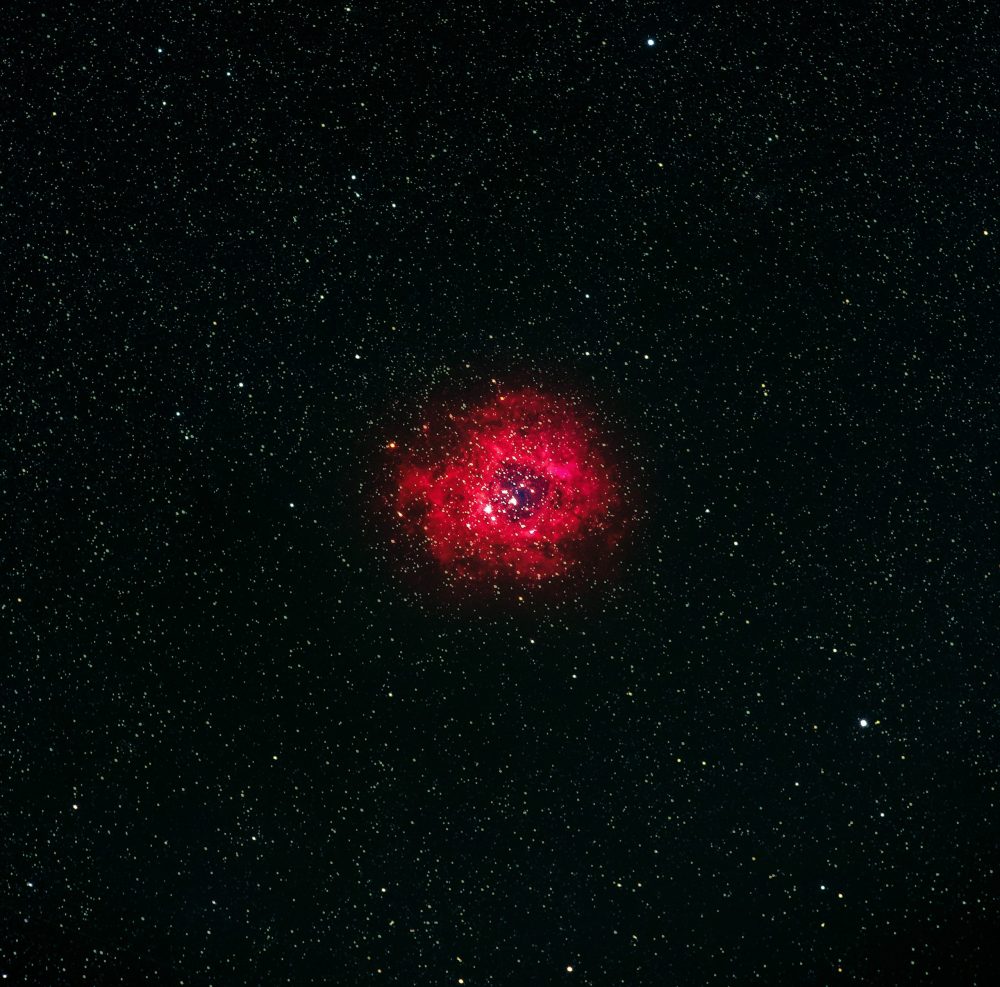
rosette-nebula-stockpack-unsplash.jpg
rosette nebula
Photo by Alexander Andrews at Unsplash

Cosmos: Possible Worlds’ ‘Most Plausible’ Creation Myths

On this episode of ID the Future, philosopher Jay Richards hosts science historian Michael Keas in another conversation about Neil deGrasse Tyson’s series Cosmos: Possible Worlds. They talk this time about what the show itself calls its “most plausible creation myth… for the origin of life,” involving hydrothermal vents in the deep ocean floor — with no mention at all of the equally deep scientific problems with the idea. Tyson’s imagination wanders from there to a moon of Saturn to the Cambrian explosion, everywhere supposing that just because one or two necessary conditions exist for life, that’s all the explanation that’s needed. Richards and Keas ably explore why this is untrue.