ID the Future Intelligent Design, Evolution, and Science Podcast
Topic

engineering principles

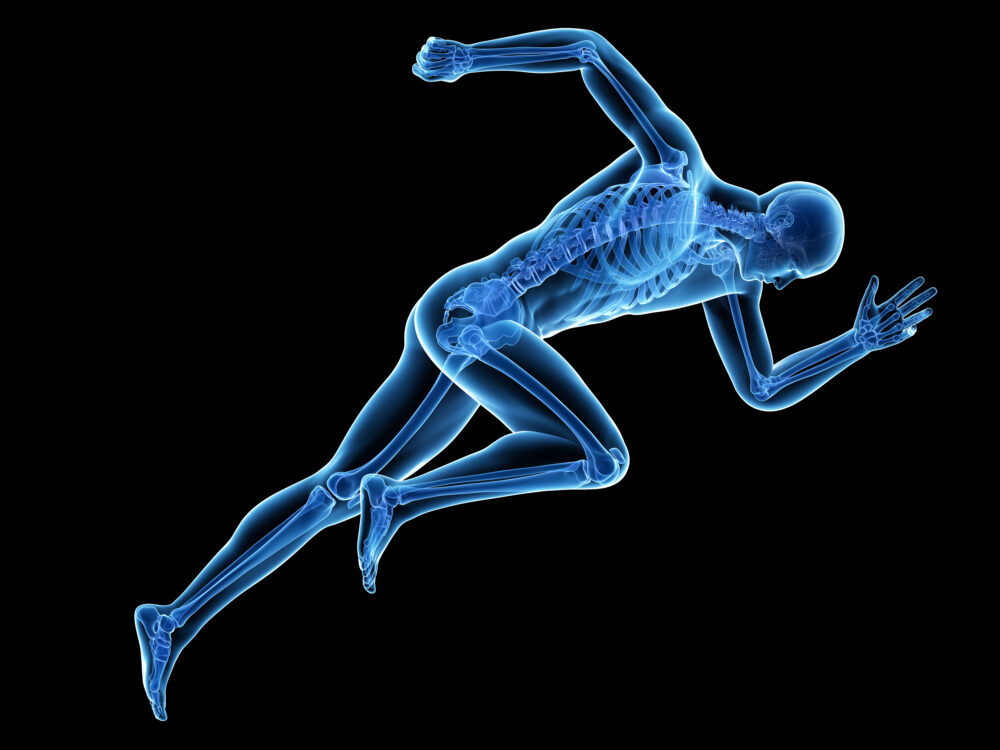
3d-rendered-medically-accurate-illustration-of-a-sprinter-stockpack-adobe-stock
3d rendered medically accurate illustration of a sprinter
Image Credit: SciePro - Adobe Stock

The Human Body As a Marvel of Engineering

Is your body engineered? Or did it evolve through impersonal, random processes over millions of years through natural selection? On this ID The Future, host Wesley J. Smith interviews engineer Steve Laufmann and physician Howard Glicksman about their recent book Your Designed Body. In their book, Laufmann and Glicksman evaluate the causal factors of Darwinism - heritability, random mutation, natural selection, and time - and find that they are both inadequate and incapable of producing the interconnected systems of the human body. "The systems that are required to make the human body work," says Laufmann, "are exactly the kinds of things that engineers design and build." Instead, they explain the body through the lens of engineering, showing that design is the most adequate mechanism currently available to explain how the origin of our amazing human bodies. Says Glicksman: "The more we understand how life actually works, the more the neo-Darwinian narrative becomes impossible." This is Part 1 of a two-part interview, originally airing on the Humanize podcast, a production of Discovery Institute's Center on Human Exceptionalism. Read More ›
galapagos-darwin-finch-stockpack-adobe-stock
Galapagos Darwin Finch
Image Credit: SimoneO - Adobe Stock

Is Adaptation Actually a Fight to Stay the Same?

On this ID The Future, host Casey Luskin talks with Eric Anderson on location at this year's Conference on Engineering and Living Systems (CELS). The two discuss an intriguing new engineering-based model of bounded adaptation that could dramatically change how we view small-scale evolutionary changes within populations of organisms. In presenting his argument for natural selection, Charles Darwin pointed to small changes like finch beak size and peppered moth color as visible evidence of an unguided evolutionary process at work. Many have adopted this perspective, quick to grant the Darwinian mechanism credit for micro, if not macro, evolution. But Anderson and other attendees of the CELS conference are starting to promote a different view. "We need to stop saying organisms are partly designed," says Anderson. "We need to view them as deeply designed and purposeful, active and engaged in their environments, and capable of adapting within their operating parameters." Tune in to get a fascinating glimpse of this novel approach to biology. Read More ›
industrial-blueprint-stockpack-adobe-stock
industrial blueprint
Image Credit: Myst - Adobe Stock

Is a New Design-Based Paradigm of Biology Emerging?
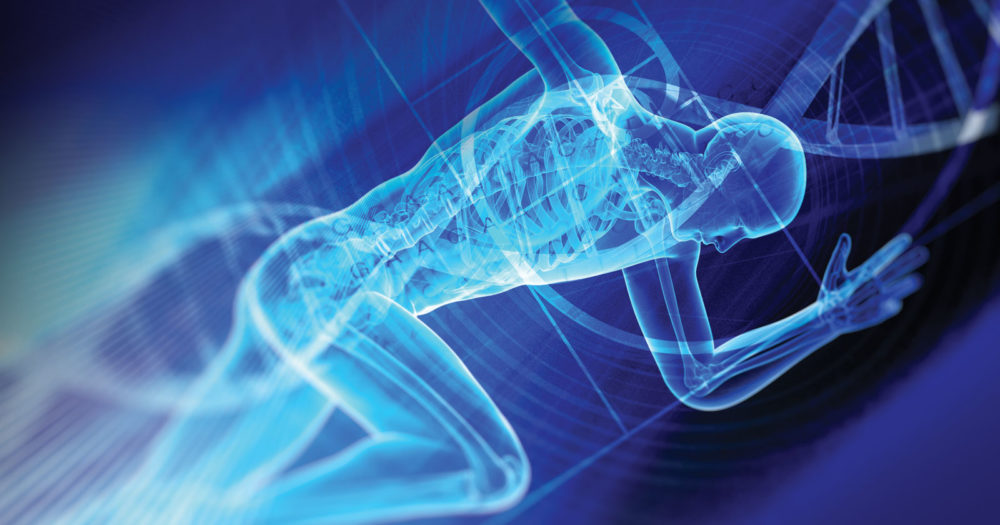
More biologists are returning to the use of design-based assumptions, tools, models, and language to study the natural world. Dr. Brian Miller explains why in Part 1 of a conversation with Casey Luskin. Read More ›
YourDesignedBody-1600x840
Your Designed Body book cover, YDB

A Neurosurgeon and an Engineer Explore Your Designed Body

On today’s ID the Future, neurosurgeon Michael Egnor hosts systems engineer Steve Laufmann, author with physician Howard Glicksman of the new book Your Designed Body. Egnor makes the surprising confession that his medical library is full of engineering texts because at some point he discovered that engineering texts, and engineering principles, often shed more light on human physiology than did his physiology books. Egnor, then, is extraordinarily well prepared to interview Laufmann about the amazing engineering of the human body. Tune in for Part 1, and stay tuned for Parts 2 and 3.

cogs nature
Abstract mechanism with cogwheels on green meadow
Image Credit: adam121 - Adobe Stock

The Role of Engineers in the Systems Biology Revolution

Today’s ID the Future spotlights systems biology and the role engineers can play in some leading-edge biology. According to guest Steve Laufmann, systems biology is taking the biological world by storm, an approach that treats biological systems as optimally or near-optimally engineered systems and, using that working assumption, seeks to better understand the system. Laufmann says this provides an opening for engineers to contribute, since they have a deep understanding of what it takes to make a complex system work, and what’s required to change one core aspect of an engineered system so that it continues to work with all of the other crucial parts of the system. Many biologists aren’t trained in this, Laufmann says, and most engineers aren’t Read More ›