ID the Future Intelligent Design, Evolution, and Science Podcast
Topic

immaterial mind

man-solo-traveling-backpacker-hiking-in-scandinavian-mountai-205508936-stockpack-adobestock
Man solo traveling backpacker hiking in scandinavian mountains active healthy lifestyle adventure journey vacations
Image Credit: EVERST - Adobe Stock

Angus Menuge: A Defense of the Soul in the Age of AI

Today’s episode of ID The Future comes from our sister podcast Mind Matters News, a production of Discovery Institute’s Walter Bradley Center for Natural and Artificial Intelligence. In this episode of Mind Matters News, hosts Dr. Robert J. Marks and Pat Flynn welcome returning guest Dr. Angus Menuge, professor of philosophy at Concordia University Wisconsin, to discuss his paper “Powers of the Soul Beyond AI.” Dr. Menuge breaks down the philosophical and logical limits of artificial intelligence, targeting the concept of anthropic mechanism to explain why material machines cannot replicate the immaterial aspects of human agency. Through the lens of five distinct powers—including insight, meta-insight, and free will—Menuge explores why large language models and advanced computing systems fall short of genuine understanding and human consciousness. Read More ›
Screenshot-2025-06-11-at-11016AM

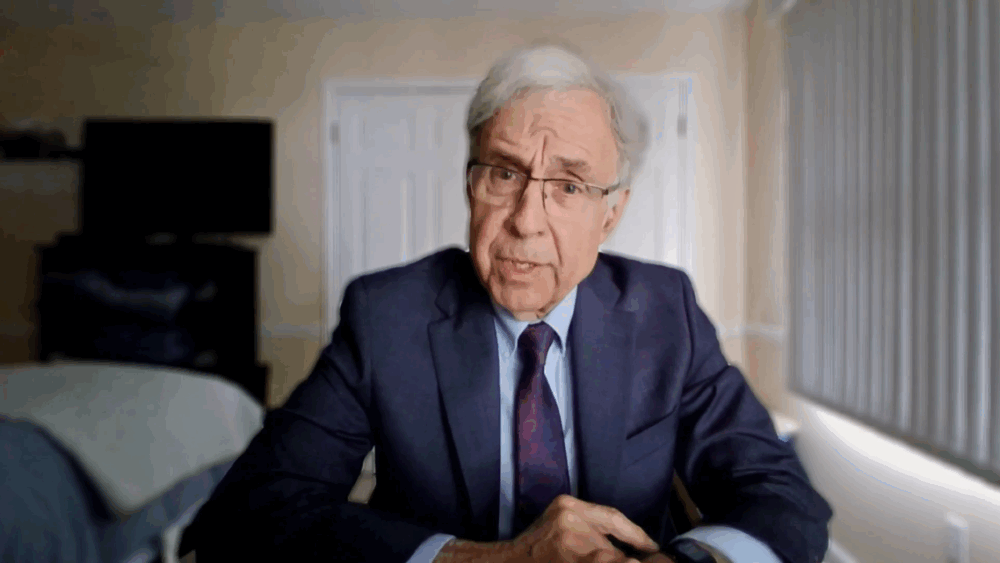
Michael Egnor Reads From His New Book The Immortal Mind

On this ID The Future, Dr. Michael Egnor reads the Introduction to his new book The Immortal Mind: A Neurosurgeon's Case for the Existence of the Soul, now available from Worthy Books. In this reading, Dr. Egnor shares his journey from being a medical student who believed science could explain everything, including how consciousness emerges from the brain and whether we have a soul, to a neurosurgeon who questioned the conventional materialist view. He discusses how years of operating on and examining patients with brain damage led him to wonder how large parts of the brain could be removed without affecting a person's mind or their ability to think, reason, believe, and desire. His personal story, including a profound experience in a hospital chapel during a family crisis, became a turning point that challenged his atheism and led him to believe that the immaterial aspects of our minds are real and that nature is an open system, not a closed one. Read More ›