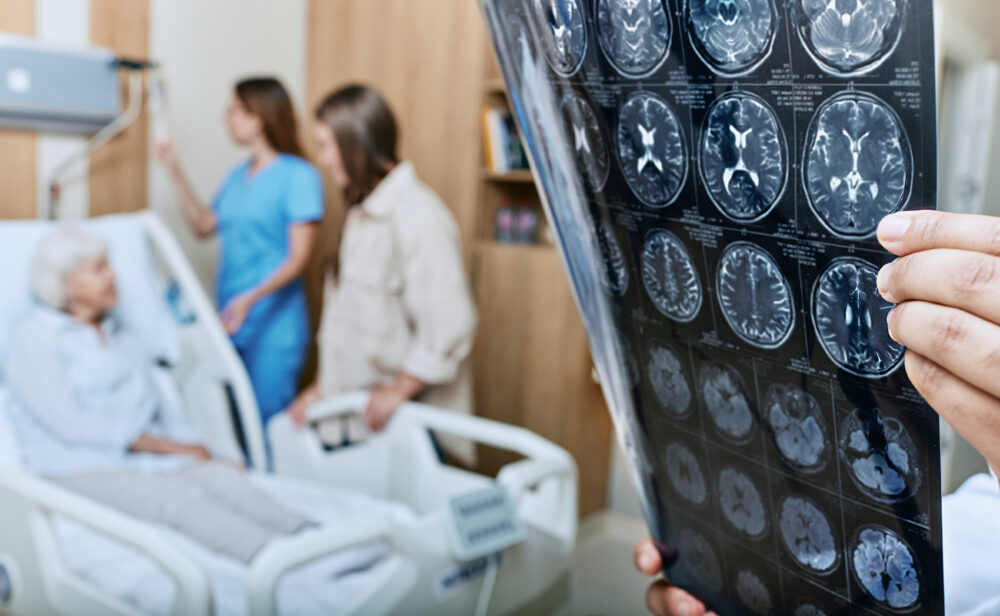
Why would the human mind sometimes appear strongest when the brain is weakest? On today's ID The Future, host Andrew McDiarmid welcomes to the show neurosurgeon Dr. Michael Egnor, co-author with Denyse O’Leary of the recent book The Immortal Mind: A Neurosurgeon’s Case for the Existence of the Soul, and Alexander Batthyany, a leading researcher on terminal lucidity and author of Threshold: Terminal Lucidity and the Border Between Life and Death. The trio begins a two-part conversation discussing the phenomenon of terminal lucidity: what it is, what the evidence shows, and how it relates to debates about consciousness, mind, and human identity. This is Part 1 of a two-part conversation. Read More ›
On this ID The Future, Dr. Michael Egnor reads the Introduction to his new book The Immortal Mind: A Neurosurgeon's Case for the Existence of the Soul, now available from Worthy Books. In this reading, Dr. Egnor shares his journey from being a medical student who believed science could explain everything, including how consciousness emerges from the brain and whether we have a soul, to a neurosurgeon who questioned the conventional materialist view. He discusses how years of operating on and examining patients with brain damage led him to wonder how large parts of the brain could be removed without affecting a person's mind or their ability to think, reason, believe, and desire. His personal story, including a profound experience in a hospital chapel during a family crisis, became a turning point that challenged his atheism and led him to believe that the immaterial aspects of our minds are real and that nature is an open system, not a closed one. Read More ›