ID the Future Intelligent Design, Evolution, and Science Podcast
Topic

Mutation

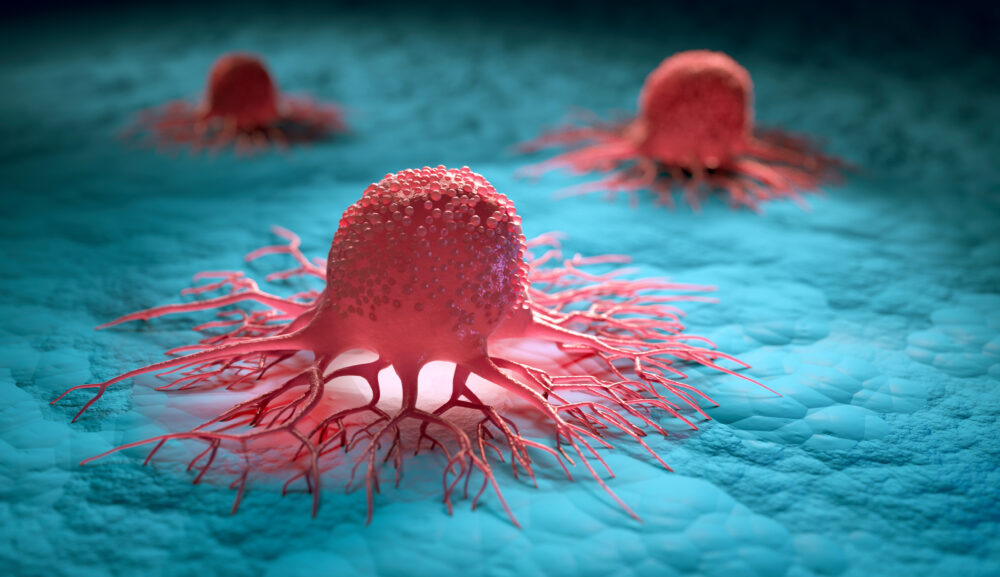
group-of-isolated-cancer-cells-3d-illustration-stockpack-ado-293584799-stockpack-adobestock
Group of isolated cancer cells - 3d illustration
Image Credit: peterschreiber.media - Adobe Stock

What Cancer Reveals About the Limits of Darwinian Evolutionary Processes

We all know people who have suffered with cancer. It's a major affliction of our modern world and many scientists are studying it closely to find a cure. Karl Krueger is one such scientist who has spent much of his career in cancer research. Today, host Casey Luskin speaks with Krueger about his work and what cancer can teach us about the limits of Darwinian processes. In his tenure at the National Cancer Institute, Krueger had a front-row seat to cancer research progress. After reviewing countless research projects and mountains of data, Krueger learned that cancer doesn't create new features at the molecular leveI, it degrades them. And breakage of aboriginal design is a hallmark of Darwinian processes. Krueger explains in this illuminating discussion. Read More ›
mikiola-fagi-galls-of-insect-pest-on-beech-leaves-stockpack-adobe-stock
Mikiola fagi, galls of insect pest on beech leaves
Image Credit: Jitka - Adobe Stock

Do Plant Galls Falsify Darwinism?

Plant galls are novel forms that benefit the intruding insect, not the plant. Do these structures falsify Darwinism, as Darwin himself suggested they might? Retired geneticist Dr. Wolf-Ekkehard Lonnig explains. Read More ›
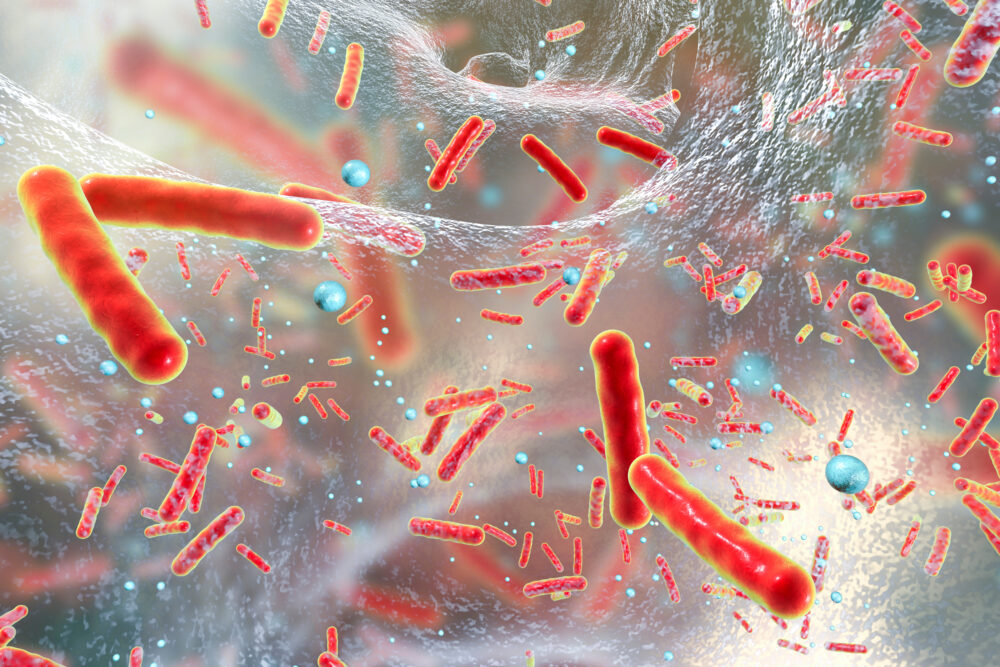
Antibiotic resistant bacteria
Antibiotic resistant bacteria inside a biofilm, 3D illustration. Biofilm is a community of bacteria where they aquire antibiotic resistance and communicate with each other by quorum sensing molecules
Image Credit: Dr_Microbe - Adobe Stock

Is Antibiotic Resistance Evidence for Darwinian Evolution?

This episode of ID The Future features the audio of a short video segment from the Icons of Evolution curriculum modules DVD. Antibiotic resistance is an example of natural selection acting on random mutation and is often referred to as one of the hallmark pieces of evidence for Darwin’s theory of evolution. Is it truly strong evidence supporting modern evolutionary theory? Biologist Scott Minnich and other biologists think not and explain why.