ID the Future Intelligent Design, Evolution, and Science Podcast
Topic

Stephen C. Meyer

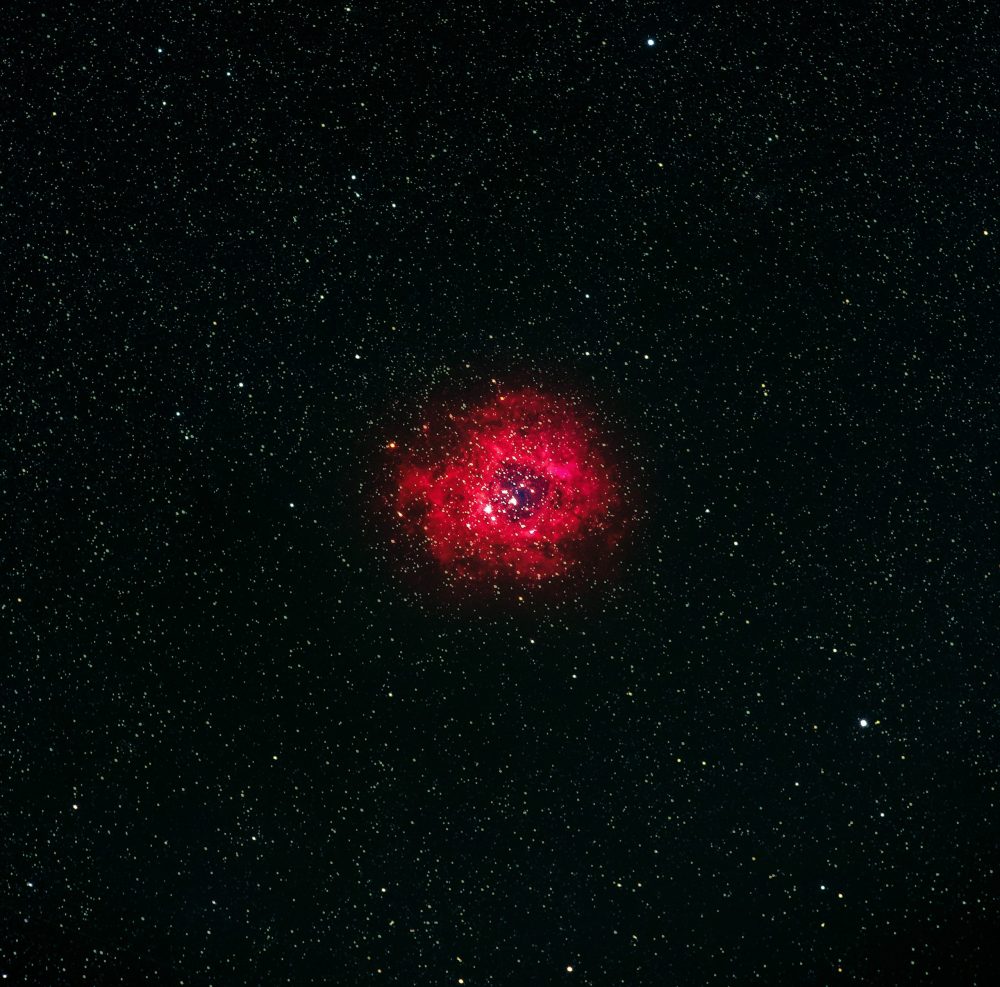
rosette-nebula-stockpack-unsplash.jpg
rosette nebula
Photo by Alexander Andrews at Unsplash

Cosmos: Possible Worlds’ ‘Most Plausible’ Creation Myths

On this episode of ID the Future, philosopher Jay Richards hosts science historian Michael Keas in another conversation about Neil deGrasse Tyson’s series Cosmos: Possible Worlds. They talk this time about what the show itself calls its “most plausible creation myth… for the origin of life,” involving hydrothermal vents in the deep ocean floor — with no mention at all of the equally deep scientific problems with the idea. Tyson’s imagination wanders from there to a moon of Saturn to the Cambrian explosion, everywhere supposing that just because one or two necessary conditions exist for life, that’s all the explanation that’s needed. Richards and Keas ably explore why this is untrue. 
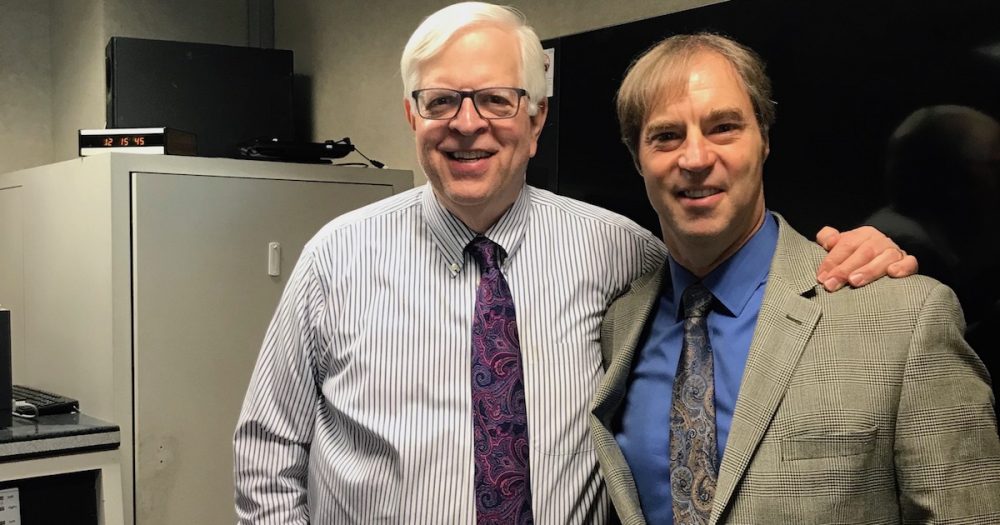
Meyer-and-Prager (2)

How Stephen Meyer Changed Dennis Prager’s Mind, Pt. 2

This episode of ID the Future features the second half of philosopher of science Stephen Meyer’s recent appearance on the Dennis Prager Show. Meyer and Prager discuss some of the critics of intelligent design who tie themselves in knots: Theistic evolutionists who claim life arose through a completely undirected process directed by God, and materialists who insist on a universe from “nothing,” but where “nothing” means something.

Read More ›
tevideo-ann-gauger

An Overview of Theistic Evolution: A Scientific, Philosophical and Theological Critique

On this episode of ID The Future, biologist Ann Gauger, CSC Director of Science Communications, discusses a big new anthology she contributed to and helped edit, Theistic Evolution. Gauger discusses the reception that the new book recently received at the Evangelical Theological Society meeting, and gives an overview of the book. In her conversation with host Sarah Chaffee, the two home in on the anthology’s contribution from leading chemist James Tour and the problems that synthetic chemistry pose for modern evolutionary theory. Gauger also summarizes a nano-tech breakthrough Tour’s research team has made in cancer research.

blood test
Technician holding blood tube test in the research laboratory / doctor hand taking a blood sample tube from a rack with machines of analysis in the lab background
Image Credit: angellodeco - Adobe Stock

Intelligent Design is Testable

On this episode of ID: The Future, CSC Fellow Jonathan Witt explains how Intelligent Design is testable, contrary to the objections of critics. He discusses predictions from biology and astrobiology, and points listeners to an extended list of testable ID predictions available online.