
ID the Future Intelligent Design, Evolution, and Science Podcast
Topic

Timothy McGrew

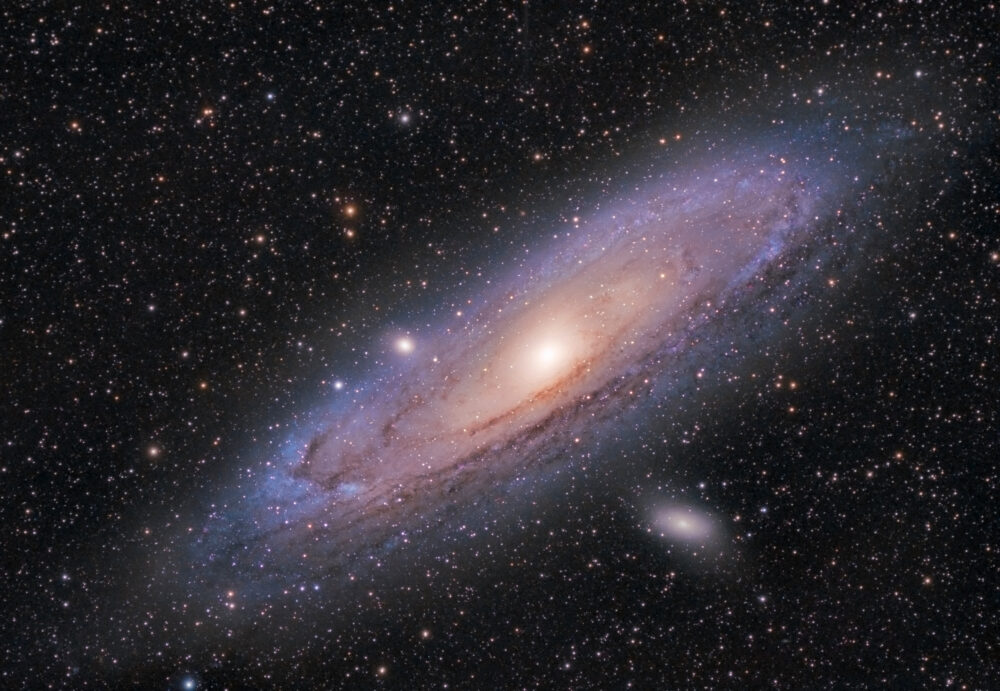
andromeda-galaxy-stockpack-adobe-stock-74665459-stockpack-adobestock
Andromeda Galaxy
Image Credit: passmil198216 - Adobe Stock

Using the Logic of Surprise to Infer Cosmic Design

On a hike, you stumble upon a seemingly abandoned cabin in the woods. When you walk in, you notice a steaming cup of tea sitting on the table. On the hypothesis that the cabin is deserted, the tea would be shockingly surprising. But on the hypothesis that the cabin is inhabited, not so much. How does this little story illuminate the case for intelligent design? On this ID The Future, host Andrew McDiarmid speaks with Dr. Timothy McGrew, one of the experts featured in the new movie The Story of Everything. The movie is a cinematic exploration of the scientific evidence for a mind behind the universe. Based on Dr. Stephen Meyer’s 2021 book Return of the God Hypothesis, The Story of Everything brings the evidence for intelligent design to life through stunning footage, cutting-edge animation, and engaging interviews with over 20 scientists and scholars. Read More ›
wooden-blocks-with-percentage-signs-showing-an-upward-trend-1002090060-stockpack-adobe_stock
Wooden blocks with percentage signs showing an upward trend, concept of interest growth.
Image Credit: Smile Studio AP - Adobe Stock

How to Make a Bayesian Inference to the Best Explanation

When we gain new information about beliefs we hold, it’s good practice to update our viewpoints accordingly to avoid incoherence in our thinking. On today’s ID The Future, host Jonathan McLatchie invites professor and author Dr. Tim McGrew to the show to discuss how Bayesian reasoning can help us maintain coherence across our set of beliefs. The pair also apply Bayesian logic to the debate over Darwinian evolution to show that a confidence in design arguments can be mathematically rigorous and logically sound. Bayesian logic provides a mathematical way to update prior probabilities with new information to produce a more realistic likelihood ratio. And when it comes to evaluating different hypotheses, small pieces of evidence can add up. “Even evidence Read More ›