ID the Future Intelligent Design, Evolution, and Science Podcast
Topic

humility

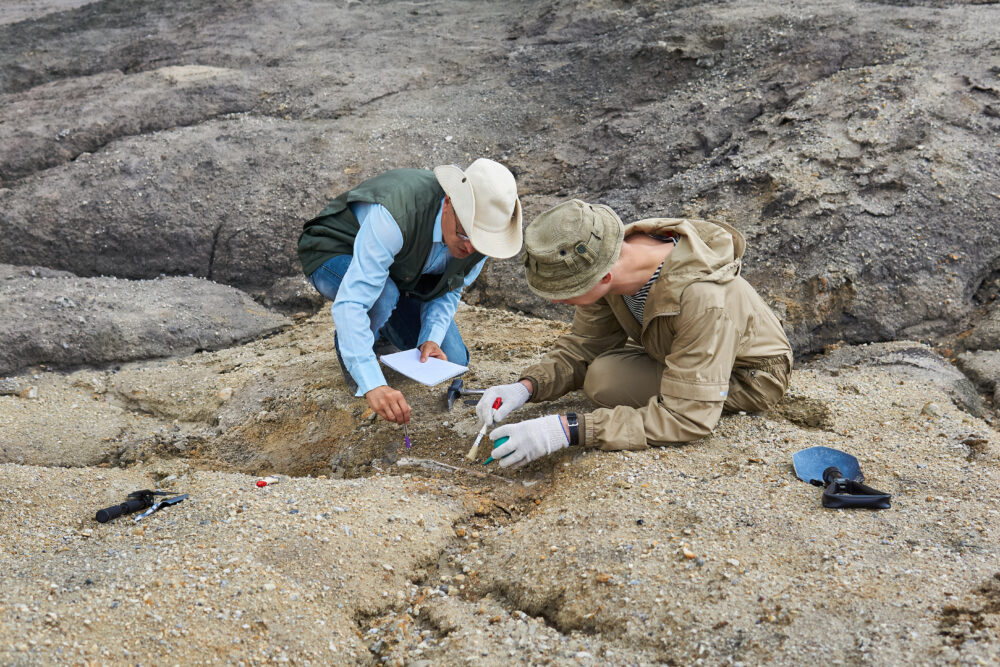
paleontologists-have-discovered-a-fossil-in-the-desert-stock-361637250-stockpack-adobestock
paleontologists have discovered a fossil in the desert
Image Credit: Evgeny - Adobe Stock

Integrity in Science: More with Maverick Scientist Forrest Mims

Honesty, humility, respect. Just a few of the essential qualities scientists need to do good science. Today, host Andrew McDiarmid concludes a conversation with engineer, inventor, writer, and self-taught scientist Forrest Mims about the role of integrity and humility in science, as well as the importance of solid data and good old-fashioned persistence. Should scientists be required to hide their personal values or religious convictions or check them at the door before conducting research? Mims says no and explains. What about humility? McDiarmid quotes from an older edition of On Being a Scientist, an educational booklet for young researchers published by the National Academies of Science. Highlighting the importance of scientific humility, the publication acknowledges that "science offers only one window on human experience. While upholding the honor of their profession, scientists must seek to avoid putting scientific knowledge on a pedestal above knowledge obtained through other means.” Thirty years later, is the scientific enterprise still as humble? Mims shares his thoughts. This is Part 2 of a two-part conversation. Read More ›
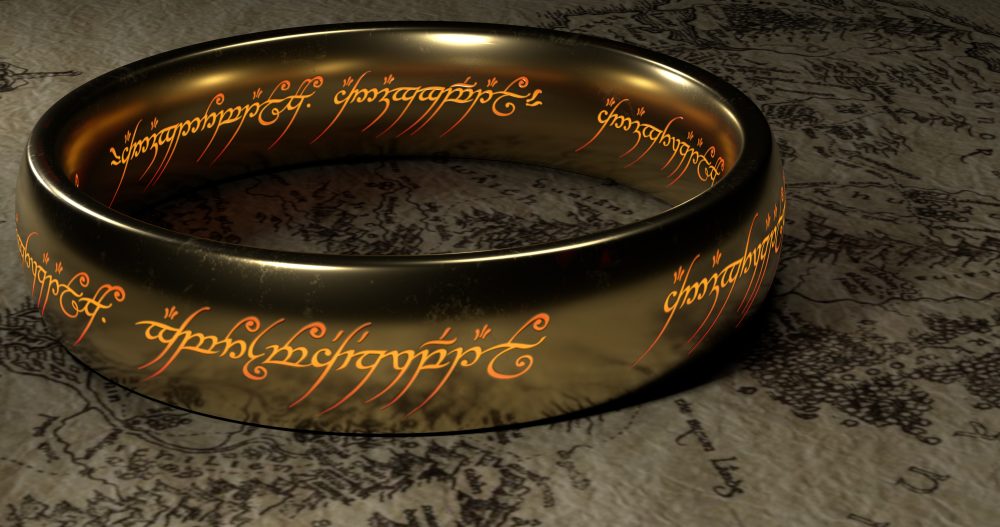
ring of power
ring, lord of the rings, hobbit
Image Credit: paxillop - Pixabay

The Gollum Effect in Science, from Tycho Brahe to Today

On this ID the Future, host Andrew McDiarmid sits down with historian and philosopher of science Michael Keas to discuss a recent article at Times Higher Education, “My Precious! How Academia’s Gollums Guard Their Research Fields.” The article looks at how scientific progress is being impeded by a culture in which scientists jealously guard their research instead of sharing it. Keas says the problem seems to have gotten worse in recent years but isn’t a new one. He illustrates with the story of Tycho Brahe and Johannes Kepler. Brahe, a sixteenth-century Danish astronomer, sat on his astronomical research for years, rather than sharing it with Johannes Kepler, his assistant. Kepler only got hold of it when Brahe died unexpectedly shortly Read More ›