
ID the Future Intelligent Design, Evolution, and Science Podcast
Topic

extra-terrestrial intelligence

chatgpt-chat-with-ai-or-artificial-intelligence-technology-m-589267674-stockpack-adobestock
ChatGPT, Chat with AI or Artificial Intelligence technology. Man using a laptop computer chatting with an intelligent artificial intelligence asks for the answers he wants. Smart assistant futuristic,
Image Credit: Supatman - Adobe Stock

Can AI Accurately Portray Intelligent Design?

How accurately do AI models like ChatGPT, Grok, and Bard portray the theory of intelligent design? Can large language models rise above the biases of sources like Wikipedia to help level the playing field for intelligent design? Today, host Andrew McDiarmid begins a conversation with mathematician and philosopher Dr. William Dembski to address the relationship between AI and ID. In recent years, Dr. Dembski has been putting LLMs through their paces to see if they can accurately and fairly discuss and portray intelligent design arguments and concepts. Here, Dembski discusses what he discovered as he used various methods to interrogate these complex algorithms. This is Part 1 of a two-part conversation. Look for Part 2 in a separate episode. Read More ›
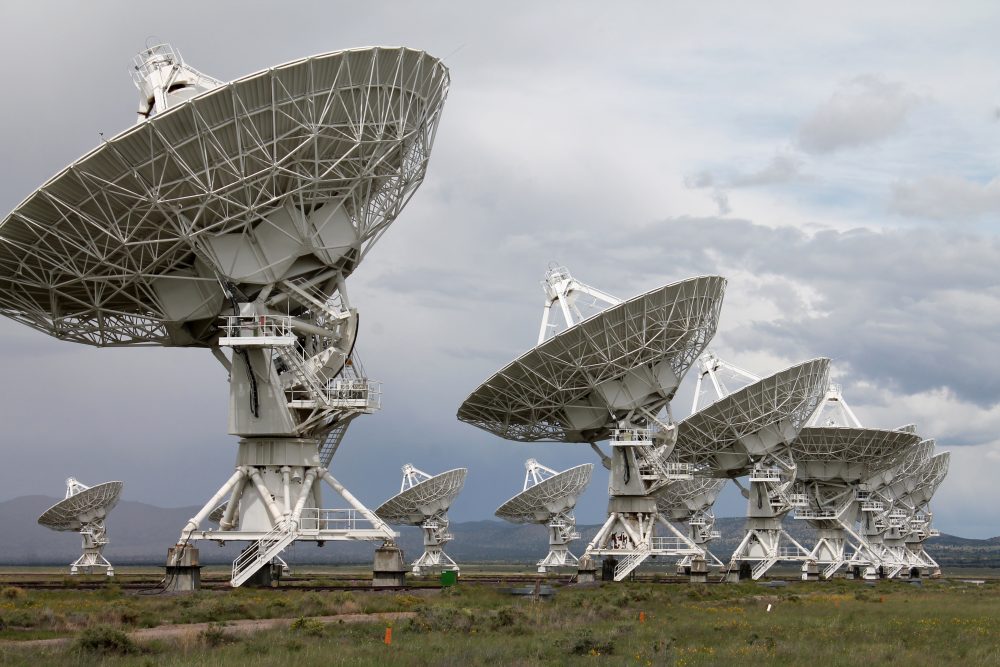
radio dishes seti
The Very Large Array (VLA) radio-astronomy antennas, in New Mexico, is one of the most impressive observatories in the world. The Sun was piercing through after a major storm during a public tour.
Image Credit: Xenomanes - Adobe Stock

Carl Sagan’s Love/Hate Relationship with Intelligent Design

On today’s ID the Future, philosopher of science Paul Nelson explores an intriguing tension in the thinking of famous scientist and science popularizer Carl Sagan concerning his agnosticism shading into atheism on the one hand, and on the other hand his embrace of certain ideas consistent with the theory of intelligent design. As Nelson is quick to clarify, if Sagan had lived to see the rise of the contemporary intelligent design movement, he probably would have rejected it, particularly its theistic implications. And yet, Nelson says, Sagan’s thinking and arguments laid out in his Gifford lectures and in his science fiction novel Contact strongly support the idea that intelligent design can be detected. Nelson goes further, saying that if we Read More ›