ID the Future Intelligent Design, Evolution, and Science Podcast
Topic

Contact

silhouette-of-a-group-of-person-sitting-on-a-rock-watching-t-423702488-stockpack-adobestock
Silhouette of a group of person Sitting on a Rock Watching the Milkyway
Image Credit: nicolas - Adobe Stock

Aliens Would Only Strengthen the Case for Intelligent Design

Aliens are trending right now. At least the topic of alien life. It’s in the news, it’s in our movie theaters, and even the U.S. government is getting in on the action as it releases troves of documents related to unexplained phenomena and the search for extraterrestrial life. But here’s a question that isn’t getting explored as much as others: If we do find alien life, will that alien life support the case for intelligent design or an evolutionary origin of life? On this episode of ID The Future, host Andrew McDiarmid welcomes Dr. Casey Luskin to the show to discuss this intriguing topic and the implications for intelligent design and evolution. Read More ›
radio dishes seti
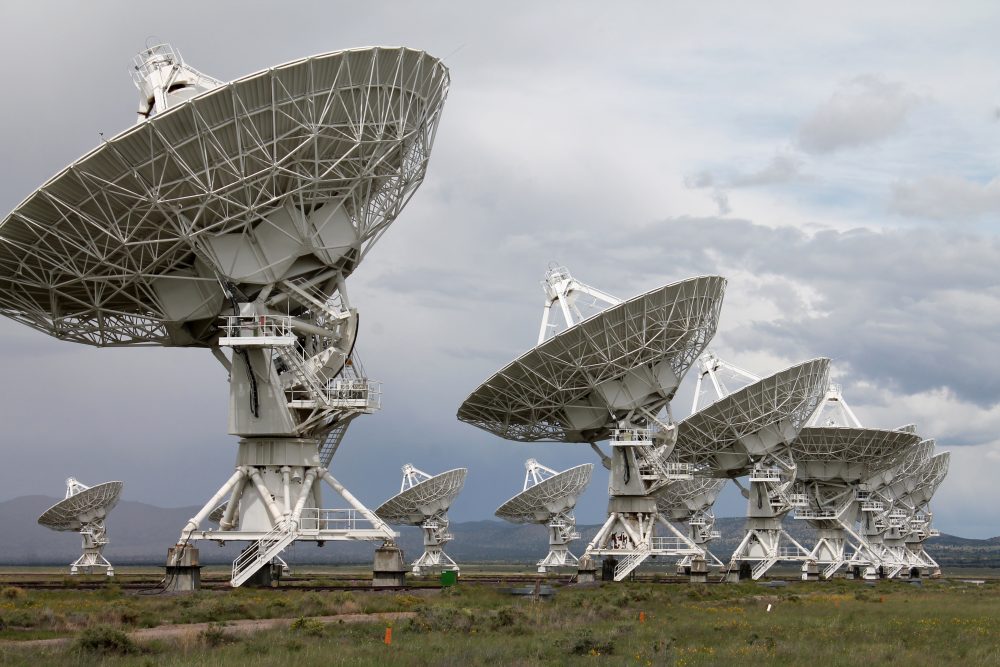
The Very Large Array (VLA) radio-astronomy antennas, in New Mexico, is one of the most impressive observatories in the world. The Sun was piercing through after a major storm during a public tour.
Image Credit: Xenomanes - Adobe Stock

Carl Sagan’s Love/Hate Relationship with Intelligent Design

On today’s ID the Future, philosopher of science Paul Nelson explores an intriguing tension in the thinking of famous scientist and science popularizer Carl Sagan concerning his agnosticism shading into atheism on the one hand, and on the other hand his embrace of certain ideas consistent with the theory of intelligent design. As Nelson is quick to clarify, if Sagan had lived to see the rise of the contemporary intelligent design movement, he probably would have rejected it, particularly its theistic implications. And yet, Nelson says, Sagan’s thinking and arguments laid out in his Gifford lectures and in his science fiction novel Contact strongly support the idea that intelligent design can be detected. Nelson goes further, saying that if we Read More ›