
ID the Future Intelligent Design, Evolution, and Science Podcast
Topic

LLM

asian-student-doing-research-in-library-using-laptop-in-book-590689444-stockpack-adobestock
Asian student doing research in library using laptop in books, making a project and preparing for exam. Nerdy guy studying his lessons - education, self-study concept close up
Image Credit: andreybiling - Adobe Stock

Bill Dembski: Pursuing Truth and Trust in AI and LLMs

How does AI stack up when it comes to accurately representing the theory of intelligent design? Today, host Andrew McDiarmid speaks with mathematician and philosopher Dr. William Dembski about the reliability and accuracy of large language models (LLMs) like ChatGPT and Bard, particularly concerning intelligent design. This second half of the conversation highlights the importance of independent verification when using AI, as LLMs can “hallucinate” or generate false or biased information. Dembski advises an approach of verify, then trust, turning the old Russian proverb on its head. McDiarmid and Dembski also explore the potential for AI to enhance human capabilities and education if used judiciously, rather than becoming a crutch that erodes critical thinking. But that will require that we Read More ›
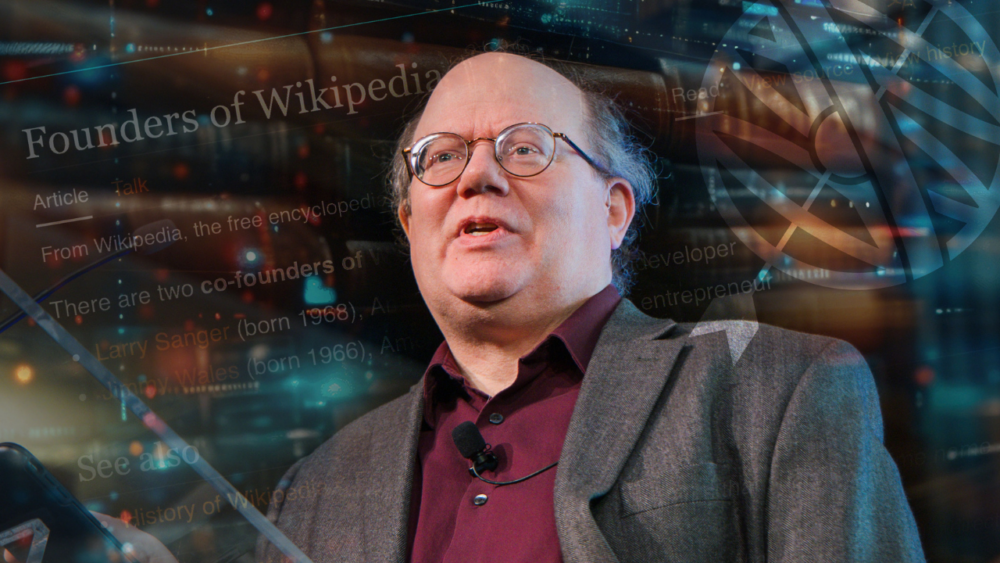
Larry-Sanger-Skeptic-To-Believer-Interview-Part-2-of-2-Post-
Photo by Ashlee Best at the 2024 COSM Technology Summit. © Discovery Institute.

Larry Sanger on Wikipedia, AI, and Preserving Human Knowledge

On this episode of ID The Future, hosts Andrew McDiarmid and Nathan Jacobson continue their conversation with Wikipedia co-founder Larry Sanger. In this segment, Sanger explains how his philosophy to decentralize the world's knowledge plays into science and truth-seeking in the age of AI. He talks about the shortcomings of large language models and why humans are irreplaceable and essential to increasing our understanding of the world. Sanger also discusses the challenges that online encyclopedias like Wikipedia have faced in accurately and fairly reflecting controversial or important topics. This is Part 2 of a two-part conversation. Check out Part 1 in a separate episode! Read More ›