ID the Future Intelligent Design, Evolution, and Science Podcast
Topic

two-component regulatory systems

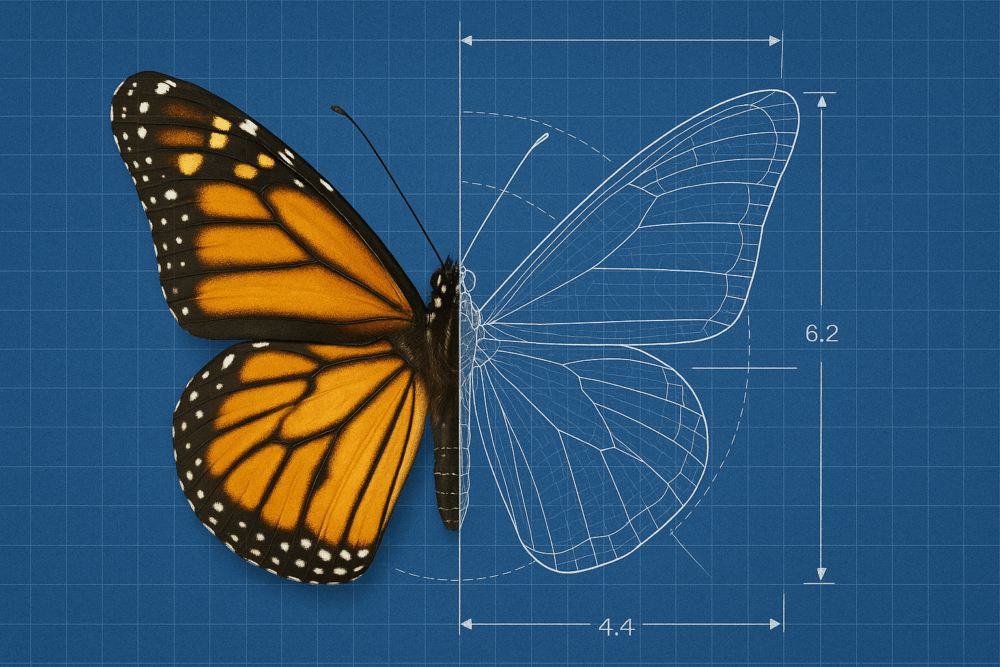
Butterfly-Blueprint

When Engineering Meets Biology: More From Our Scientist Roundtable

A Quick Message From Host Andrew McDiarmid: Hey thanks for joining me! Did you know that although ID The Future is free content, it’s not free to produce? If you’re enjoying the interviews, commentaries, and readings you hear on the podcast, would you consider partnering with me to create more new content next year? Support the CSC today to help me generate another amazing lineup of interviews with ID scientists and scholars. Thanks for your support! When biologists use principles of engineering to study living systems, they can gain a richer, deeper understanding of how and why life works. But most biologists are trained to view design as the product of a blind, purposeless, gradual evolutionary process. Today on ID Read More ›

bioluminescence-sea-sparkle-jervis-bay-nsw-australia-11-07-2-1322723480-stockpack-adobestock
Bioluminescence sea sparkle Jervis bay, NSW, Australia. 11-07-2020
Image Credit: petar - Adobe Stock

Examples of Recurring Design Logic in Living Systems

Architects, painters, musicians, and other creators apply recognizable patterns of thinking to their craft, resulting in a trademark style that sets them apart from others. Can recognizable patterns of thinking also be found in nature's design? On this episode of ID the Future, Dr. Jonathan McLatchie, a resident biologist and fellow at Discovery Institute's Center for Science and Culture, dives into the microscopic world to explore examples of what he calls recurring design logic in living systems. These recurring themes and logic are widespread in diverse, often unrelated biological systems. On the perspective of intelligent design, they'd be expected. But an unguided evolutionary perspective would have difficulty explaining this compelling line of evidence. Read More ›