ID the Future Intelligent Design, Evolution, and Science Podcast
Topic

four-bar linkage system

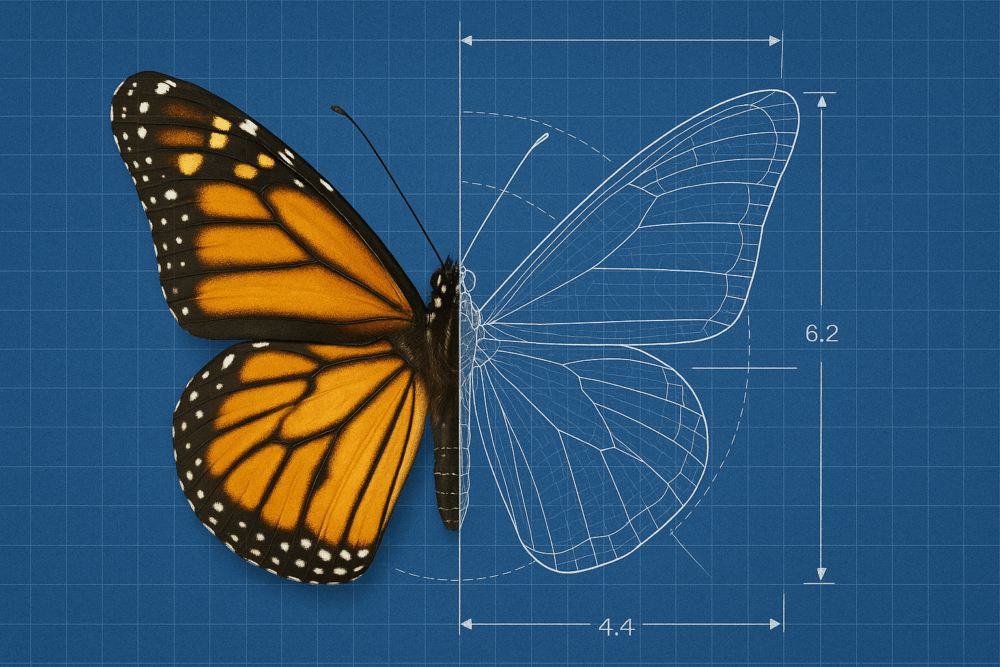
Butterfly-Blueprint

When Engineering Meets Biology: More From Our Scientist Roundtable

A Quick Message From Host Andrew McDiarmid: Hey thanks for joining me! Did you know that although ID The Future is free content, it’s not free to produce? If you’re enjoying the interviews, commentaries, and readings you hear on the podcast, would you consider partnering with me to create more new content next year? Support the CSC today to help me generate another amazing lineup of interviews with ID scientists and scholars. Thanks for your support! When biologists use principles of engineering to study living systems, they can gain a richer, deeper understanding of how and why life works. But most biologists are trained to view design as the product of a blind, purposeless, gradual evolutionary process. Today on ID Read More ›


nature-stockpack-adobe-stock-394141619-stockpack-adobestock
Nature.
Image Credit: BillionPhotos.com - Adobe Stock

Brian Miller on Advancing Biology Through an Engineering Lens

Can viewing life as designed enhance scientific research? Today, host Andrew McDiarmid speaks with physicist Dr. Brian Miller about the fruitful research that can result when engineering principles are applied to the study of biological systems. Dr. Miller is part of a group that brings together engineers, scientists, and scholars to demonstrate how engineering principles, patterns, and tools can deepen the understanding of biology. The group hosts an annual Conference on Engineering in Living Systems, hosted by Discovery Institute, that highlights new insights and research projects in this bold new approach to the study of life. Here Dr. Miller gives the lowdown on current research as well as this year's conference. Read More ›
gymnast
portrait of young man gymnasts
Image Credit: _italo_ - Adobe Stock

Human Skeletal Joints—Engineering Masterpieces, Pt. 2

Today’s ID the Future completes a talk by award-winning British engineer Stuart Burgess, who explains how the human ankle and wrist joints offer powerful evidence of engineering genius. Burgess is answering evolutionist Nathan Lents, who has argued that human joints are badly designed and, therefore, evidence against intelligent design and for Darwinian evolution’s blind trial-and-error process. According to Burgess, Lents ignores—and seems to be ignorant of—the many ingeniously engineered features of our joints, leading Lents to make easily refuted claims. For example, Lents says an ankle with fused bones would be a superior design to a healthy human ankle. Not if the person hopes to play squash or tackle any number of other activities that require the suppleness and responsiveness of Read More ›